
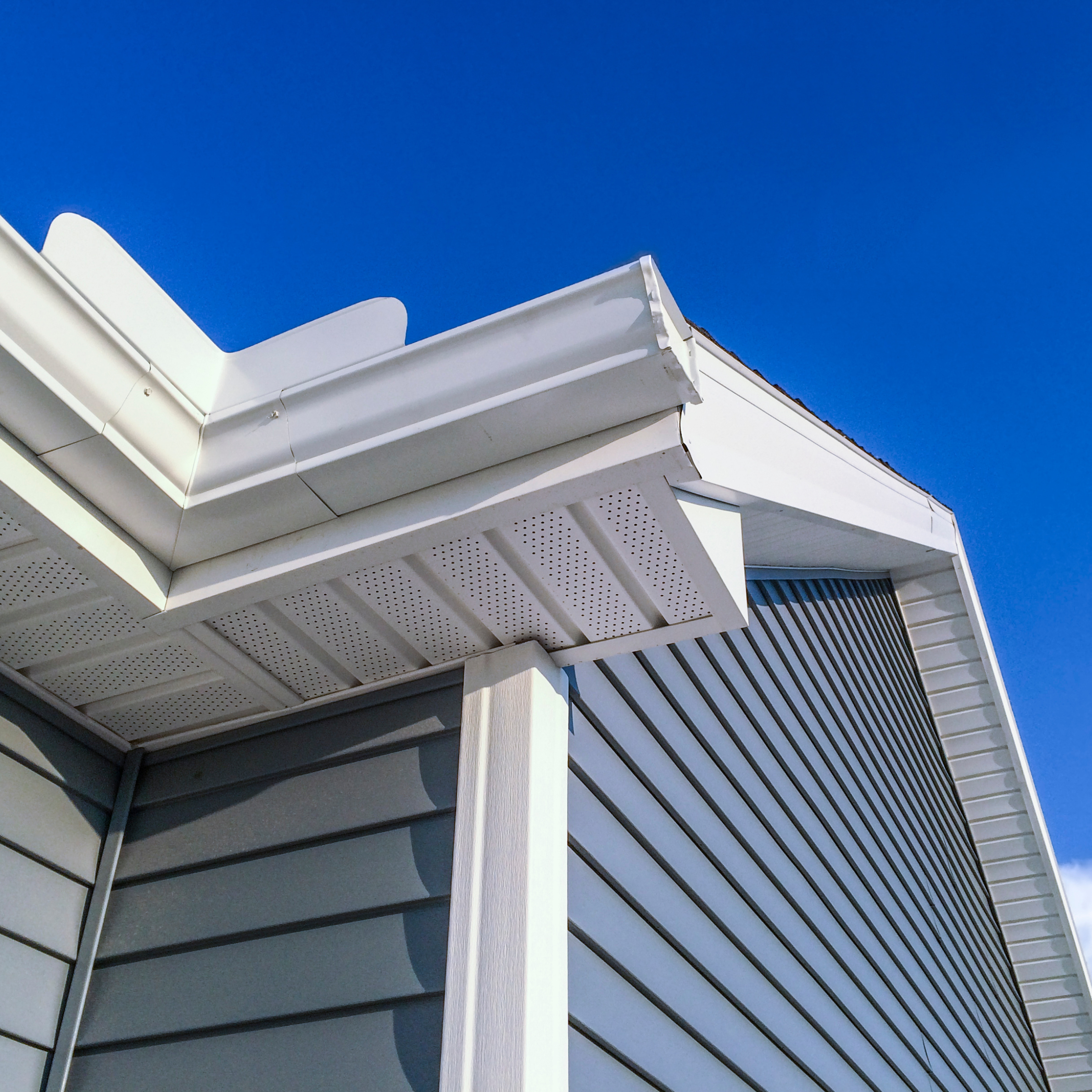
Compare 6-inch vs. 7-inch gutters to find the right size for your home. Learn how gutter size, roof design, and water flow affect your choice.
Choosing the right gutter size can help protect your home from water damage, soil erosion, and drainage problems. While 6-inch gutters are common for residential properties, 7-inch gutters can provide additional capacity for homes with larger roofs or heavier water flow.
What Is the Difference Between 6-Inch and 7-Inch Gutters?
The most obvious difference between 6-inch and 7-inch gutters is their width. Seven-inch gutters are wider than 6-inch gutters, which gives them greater capacity to collect and move rainwater. That additional capacity can be helpful for homes with larger roofs or higher water flow.
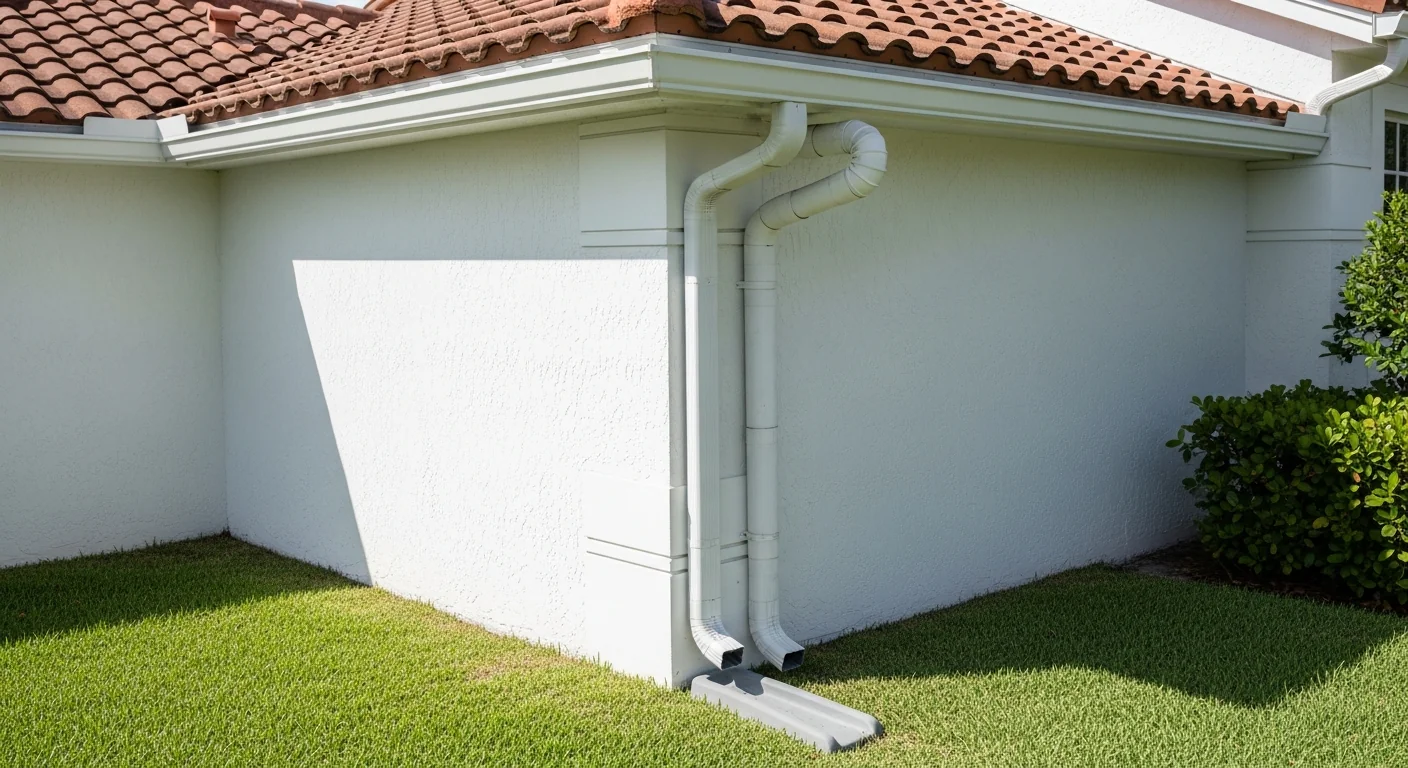
Six-inch gutters are suitable for most residential homes with shingle roofs. GutterWorks typically recommends 7-inch gutters for tile or metal roofs because these roofing materials often extend farther beyond the roofline, allowing rainwater to overshoot a smaller gutter. The additional width of a 7-inch gutter helps capture and direct that runoff more effectively.
In rare cases involving especially high volumes of water, 8- or even 9-inch custom gutters may be needed. These larger systems are more commonly used for commercial properties.
6-Inch Gutters: When Are They a Good Choice?
Six-inch gutters are a common residential option because they provide adequate capacity for many standard roof systems.
They may be appropriate when:
- The home has a typical residential roof size.
- The roof configuration does not create unusually high water flow.
- There are enough downspouts to manage the volume of water.
- The gutter system is properly designed and installed to handle the home’s expected water flow.
A properly designed 6-inch system can effectively direct rainwater away from your home’s foundation and landscaping. Problems can occur when gutters are undersized for the roof, causing water to overflow during heavy rain.
7-Inch Gutters: When Are They a Better Option?
Seven-inch gutters provide additional capacity for homes that need to manage a higher volume of roof runoff.
A 7-inch system may be worth considering if your home has:
- A large roof area
- Steeply pitched roof sections
- Multiple roof sections draining into the same gutter
- Large amounts of water flowing toward specific areas
- A history of gutter overflow during heavy rain
A larger gutter can help manage heavy rainfall more effectively, but bigger is not automatically better. Consider the entire drainage system when determining the right gutter size.
6-Inch vs. 7-Inch Gutters: Which Is Better?
Neither size is universally better. Six-inch gutters work well for many standard homes, while 7-inch gutters may be a better option for homes with greater water flow.
The goal is to match the gutter system to the home’s drainage needs rather than simply choosing the largest available size. Roof dimensions, pitch, gutter layout, and downspout placement all affect the appropriate capacity.
Can 6-Inch Gutters Handle Heavy Rain?
Yes, depending on the home’s roof and drainage configuration.
Heavy rain does not automatically mean a home needs 7-inch gutters. A properly designed 6-inch system with appropriately positioned downspouts can handle substantial rainfall.
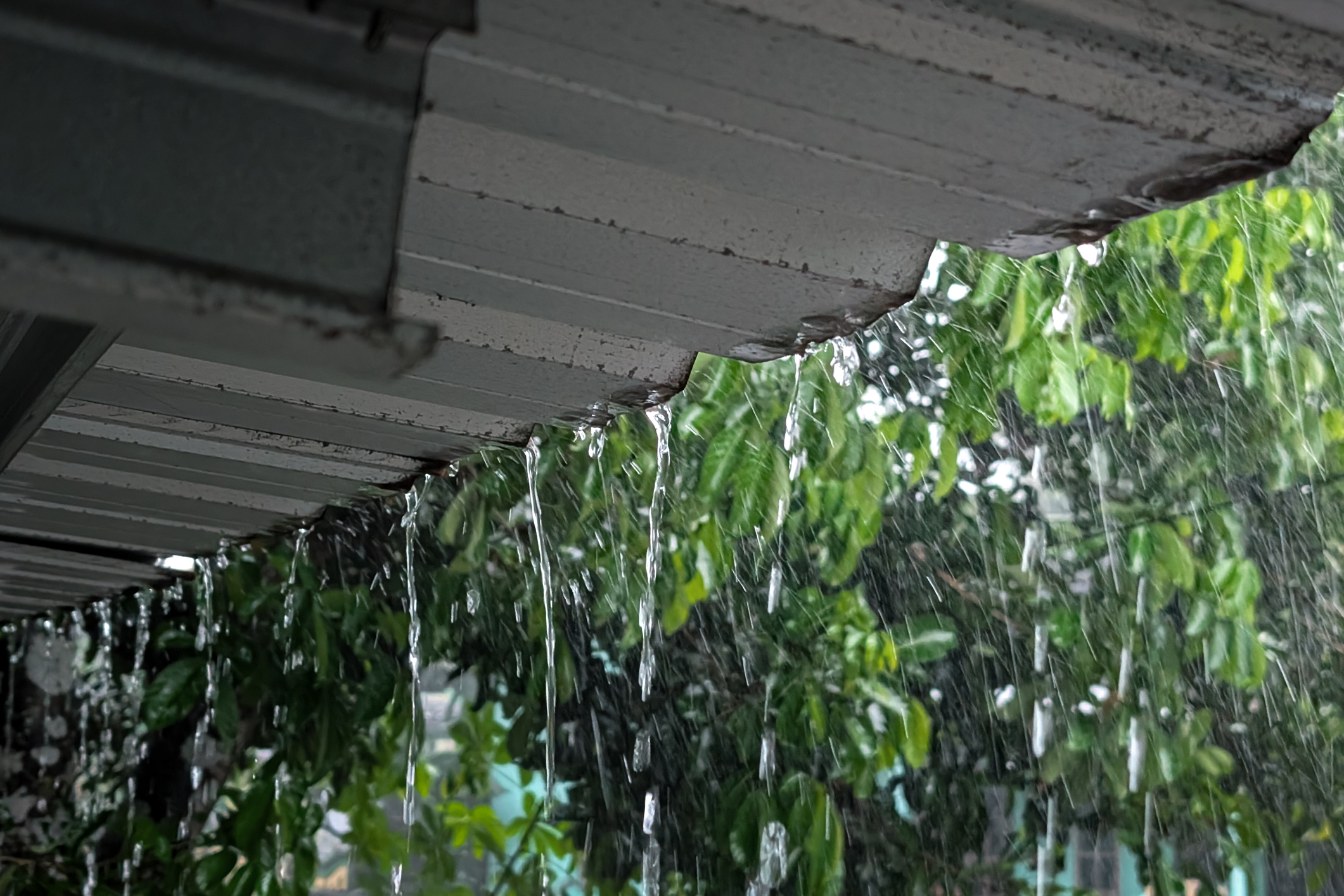
However, regular overflow during storms can indicate the system isn’t keeping up with the amount of water coming off the roof. The gutters may be too small, the downspouts may be inadequate, or the system may not be configured properly.
If your gutters overflow even when they are clean, a professional evaluation can help determine whether the problem is gutter capacity or another drainage issue.
Signs Your Gutters May Be Too Small
If you’re unsure whether your current gutters are appropriately sized, look for signs that they are struggling to manage rainwater:
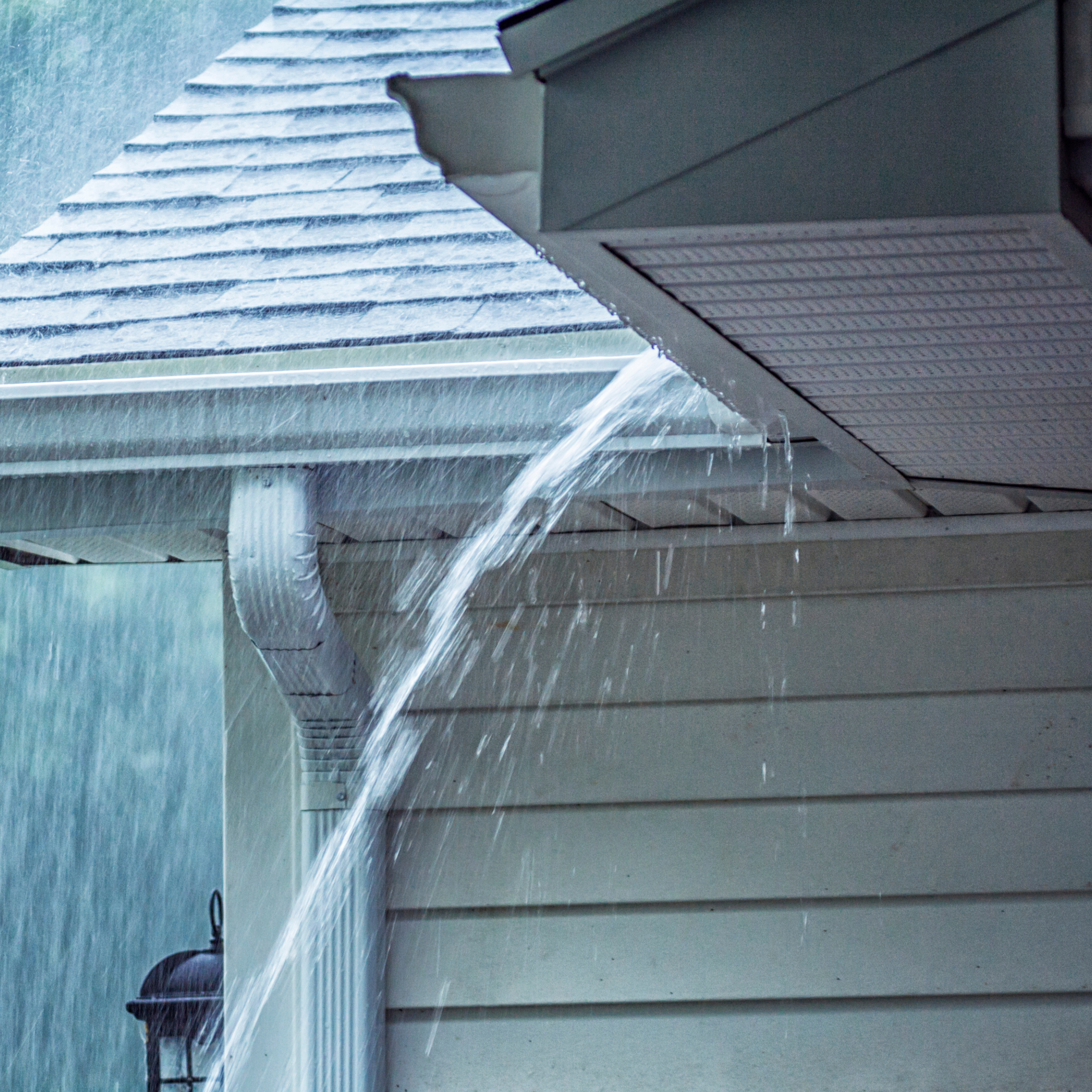
- Water flowing over the front of the gutters during storms
- Water pooling near the foundation
- Soil erosion below the roofline
- Gutters pulling away from the fascia
- Excessive water flowing from certain sections of the roof
- Persistent overflow despite clean gutters
Clogged gutters can also cause overflow, so consider cleaning before assuming the system needs to be replaced. If clean gutters continue to overflow, the system may need to be evaluated for capacity and drainage.
How Do You Choose Between 6-Inch and 7-Inch Gutters?
Choose the right gutter size based on how much water your roof collects, not simply the size of your existing gutters.
A professional gutter installation company can evaluate your roof dimensions, pitch, gutter layout, downspout placement, and drainage needs. That assessment can help determine whether 6-inch gutters provide enough capacity or whether 7-inch gutters would perform better.
If your existing system was installed incorrectly or is undersized, replacing it with the same size may not solve the problem.
Get Help Choosing the Right Gutter Size
When comparing 6-inch gutters vs 7-inch gutters, neither size is universally better. Six-inch gutters are suitable for many standard homes, while 7-inch gutters may be a better option for homes with larger or steeper roofs, multiple roof sections draining into one area, or higher water volume.
GutterWorks Services can evaluate your existing gutter system and help determine the appropriate size for your home. Contact us today to request a free quote for your gutter installation.

Leave A Comment
You must be logged in to post a comment.