
When it comes to protecting your home from water damage, few systems are as vital, or overlooked, as your gutters.
While they may not be the flashiest feature of your home, gutters play a crucial role in maintaining the integrity of your property.
In this ultimate guide, we’ll break down what gutters are for, why they matter, and how you can install or upgrade your system with ease.
Understanding Gutters
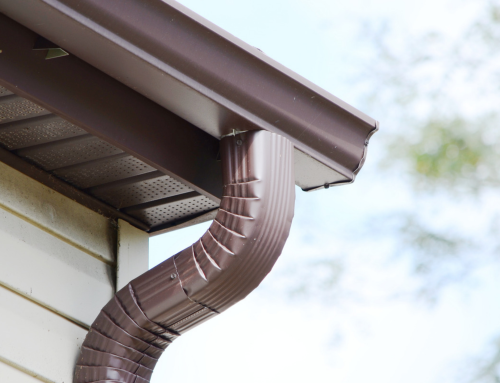
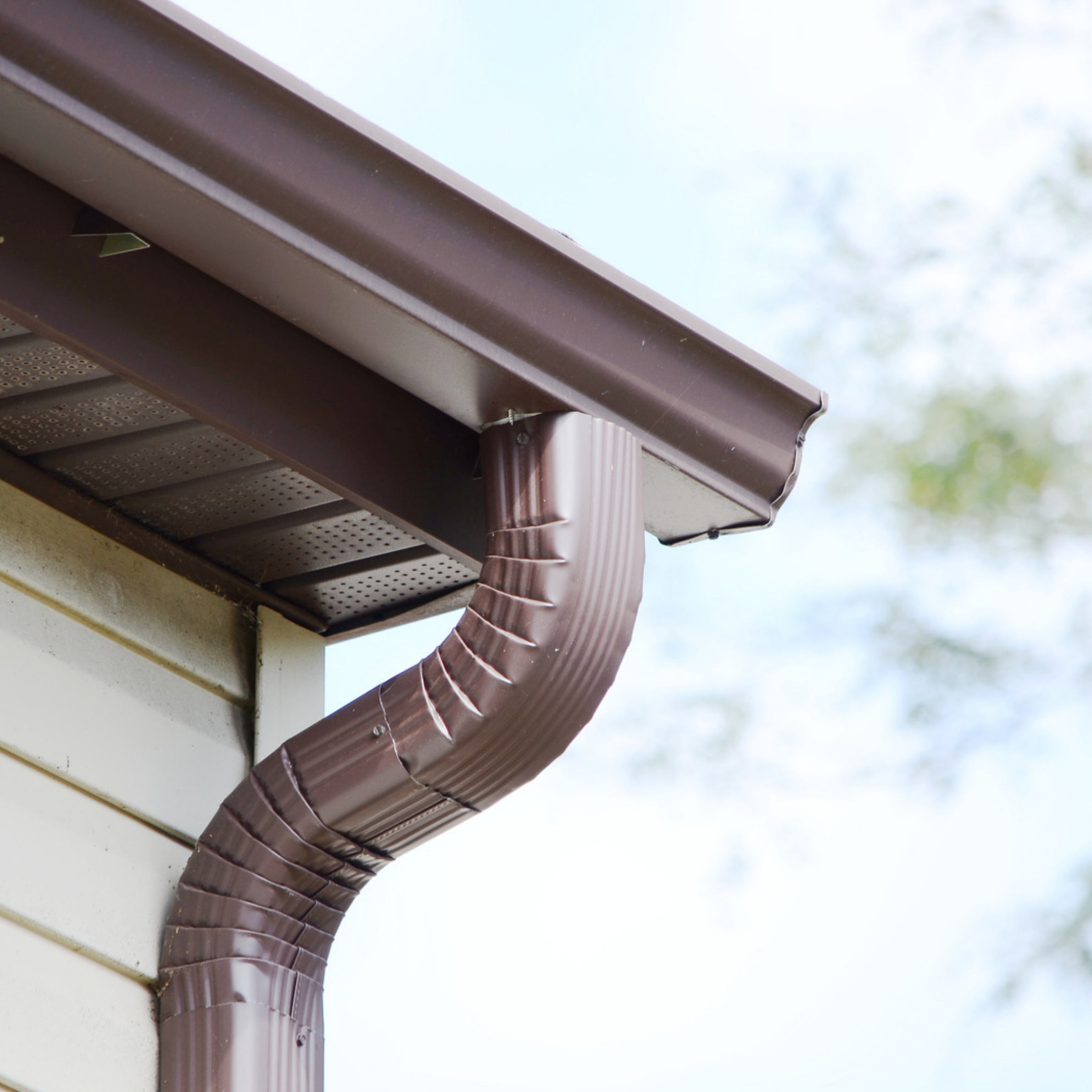
Gutters are narrow channels installed along the edge of a roofline. Their main function is to collect and divert rainwater away from your home’s foundation.
Without gutters, rainwater would pour directly off your roof, causing:
- Soil erosion
- Water damage
- Mold growth
- Structural issues
In essence, gutters are your home’s first line of defense against the elements.

What Are Gutters For?
Let’s take a closer look and explore the question, “What are gutters for?”
Direct Water Away from the Foundation
By channeling rainwater through downspouts and away from your house, gutters prevent water from pooling around your foundation, minimizing the risk of cracking, shifting, and flooding.
Prevent Roof Damage
Without a functioning gutter system, water can back up under your shingles or cause fascia boards to rot, leading to costly roof repairs.
Protect Landscaping
Gutters help manage the flow of rainwater so it doesn’t destroy your carefully landscaped yard or garden beds.
Avoid Flooding
Water accumulation around your home’s base can lead to leaks in your home and flooding. Gutters significantly reduce this risk.
Shield Siding and Windows
Water streaming down your exterior walls can cause:
- Stains
- Wood rot
- Premature aging of materials
Gutters help maintain the appearance and longevity of your home.
History of Gutters
While gutters aren’t a new invention, they have adapted over time.
3000–1500 BC – Indus Valley Civilization
One of the earliest notings of the use of gutters was from the Indus Valley Civilization, where gutters were created from burnt clay brick drains.
47 AD – Roman Empire
During the Roman Empire, roads were built higher in the middle to drain rain into early gutters. Then, the Romans brought this drainage concept to England.
10th–13th Centuries – Norman Empire
With the rise of stone roofs and gargoyles, gutters became part of architecture. Gargoyles were more than ornaments; they were used to direct rainwater away from buildings.
The Tower of London had extended lead gutters, ordered by King Henry III, where the first efficiently working downspout emerged.

1536–1541 – Reign of Henry VIII
The Dissolution of Monasteries made lead roofing and gutters more affordable and accessible across Britain.
1700s – Pre-Industrial Revolution
In the early 1700s, cast iron replaced lead in gutter manufacturing. But in the late 1700s, carved wooden V-shaped gutters lined with zinc appeared on luxury homes.
1800s – Industrial Revolution & Victorian Era
Gutters began mass production, reducing cost, allowing them to become common in homes.
Victorians saw the benefits of gutters in preserving structure and health, keeping walls dry, and reducing illness.
Early 1900s – Steel Era
As the name of this era suggests, steel became the dominant gutter material due to its strength and rot resistance. Metal rolling machines allowed half-round steel gutters to be produced on-site.
1940s – Post-WWII
What goes up must come down. Steel shortages led to aluminum gaining popularity for gutters. Plastic materials also began to emerge for gutter use.

1960s – Seamless Gutter Innovation
Seamless gutters are introduced using roll forming machines and aluminum coils. These are made to fit homes exactly, reducing seams and leaks.
1980s – Mainstream Modern Gutter Systems
Seamless gutters became the industry standard, and gutter covers were introduced to reduce debris buildup.
Aluminum surpassed steel as the most common material due to its strength and ease of installation.
Present
Today, most gutter systems are aluminum due to their durability, versatility, and low maintenance. Finishes such as enamel-baking allow the gutters not to need to be painted.
Importance of Updated Gutters
Old or poorly maintained gutters can cause more harm than good. If your gutters are leaking, sagging, or clogging frequently, it’s time for an upgrade.
Newer gutter systems are designed to be low-maintenance, weather-resistant, and more efficient at handling heavy rainfall.
Investing in updated gutters can:
- Increase your home’s value
- Improve energy efficiency
- Prevent long-term repair costs
- Keep away pests
- Enhance the appearance of your roofline
So as you can see, in the long run you’ll actually save money!

Gutter Installation Process
Installing gutters is not a DIY job for the average homeowner. It requires precision, planning, and the right materials, and if done wrong, can have consequences.
Here’s what the typical gutter installation process looks like.
Inspection & Measurement
Every successful gutter installation begins with a detailed inspection and accurate measurements.
During this initial phase, professionals:
- Evaluate the unique layout and slope of your roof
- Identify potential drainage trouble spots
- Assess your home’s architecture
This will help determine the most effective gutter system configuration.
Choosing the Right Material & Style
Depending on what gutters are for, you’ll select from materials like aluminum, copper, or vinyl.
You can also select from styles such as:
- K-style
- Half-round
- Box
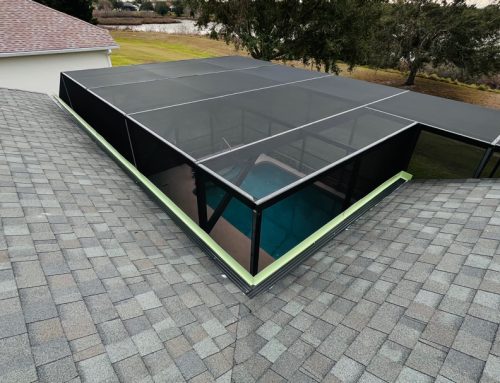
- Supper Gutter (typically for pools)
Some gutter companies offer color variations so that you can seamlessly match the color of your wall and the trim of your property.
Custom Fabrication (if needed)
Seamless gutters are cut on-site for a perfect fit and fewer leak points. A good gutter company will give you the option to customize the gutters to best fit your property.
Installation of Hangers & Downspouts
Gutters are securely mounted to your roofline using durable hangers that provide long-term support and stability.
Extensions or splash blocks may be added at the bottom of the downspouts to further prevent water from pooling near your property.
Final Inspection & Cleanup
After installation, the team performs a thorough inspection of the entire system to ensure everything is sealed, aligned, and draining correctly.
Once confirmed, the crew cleans up all leftover materials, packaging, and debris, leaving your yard and home exterior spotless and ready for the next rainstorm.
Install High-Quality Gutters with GutterWorks
Ready to protect your home with durable, professionally installed gutters? GutterWorks is here to help. Our team offers high-quality materials, expert installation, and honest service, ensuring your home stays dry and damage-free for years to come.
Whether you’re building a new home or replacing old gutters, GutterWorks delivers seamless results that stand the test of time.
Don’t wait until the next big storm. Contact GutterWorks today and schedule your free gutter consultation!
Frequently Asked Questions
What are gutters for?
Gutters catch rainwater as it runs off the roof and channel it through downspouts that release the water several feet from the foundation. Without gutters, runoff would erode soil around the home, splash up onto siding, and pool against the foundation slab — three of the most expensive sources of water damage in Florida.
What are rain gutters used for on a house?
On a house, rain gutters protect the foundation, the siding, the soffit, the fascia, and the landscaping from concentrated runoff. They also keep walkways and patios dry during Florida’s heavy summer storms.
Do all houses need gutters?
Most houses do. Homes with overhangs longer than 24 inches and well-graded soil sometimes don’t. In Central Florida, where storms produce more roof runoff than soil and overhangs alone can handle, gutters are nearly always recommended.
What happens if a house doesn’t have gutters?
Without gutters, runoff lands directly at the foundation, which can cause foundation erosion, basement or slab leaks, fascia rot, splash-back staining on siding, and landscape washout. Over time those repairs cost far more than installing gutters in the first place.
What are the different parts of a gutter system?
A complete gutter system has eight main parts: gutters, downspouts, end caps, elbows, miters, hangers, pipe cleats, and drip edge. See Parts of a Gutter System for a labeled diagram.
Does GutterWorks install full gutter systems in Central Florida?
Yes. GutterWorks has been installing seamless gutter systems across Central Florida for more than 20 years and is fully insured up to $5 million. Most residential installs are completed in a day or two. Get a free quote at (407) 809-1427.